New York is now the second leading tech hub in the country, behind only Silicon Valley, and the tech sector in the City recorded 11% job growth from 2010 to 2011.
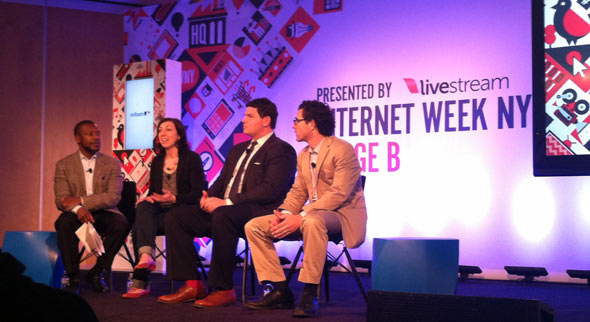
The impact this can have on the local economy was among the subjects du jour at a panel presented by Google at this year’s Internet Week.
William Floyd, head of the search engine’s external affairs, moderated the panel which included Downtown Brooklyn Partnership President Tucker Reed, NY Tech Meetup’s (NYTM) Jessica Lawrence, and Center for an Urban Future’s (CUF) Jonathan Bowles.
Lawrence kicked things off relating the shift she has observed in New York’s tech scene over the years, witnessed in everything from the explosive growth of NYTM’s membership to the number of tech-related meetups currently operating in the City (well over 600) to the anecdotal comments she hears regularly from people working in the sector.
“It used to be that people relocated to New York to be closer to family or for more personal reasons,” said Lawrence. “Now, the reasons we hear are that New York is the place to be if you want to work on interesting tech projects.”
This plays out in the quantitative evidence as well, said Bowles, who said recent analysis published by CUF showed the New York region experienced a 24% increase in VC deals over the last five years, compared to a 21% drop in Silicon Valley and a 31% drop in the New England area.
“Tech is now a sustainable growth engine for New York that didn’t exist 5 years ago,” said Bowles, who is among the consultant team currently looking at ways to harness this potential in the Brooklyn Tech Triangle.
With more than 500 tech and creative firms currently operating in the triangle that extends from Downtown to DUMBO to the Navy Yard, employing 9,628 people and generating $3.1 billion in economic impact, Reed described the momentum as the 21st century iteration of Brooklyn’s long legacy of innovation in the borough.
“The borough has a storied history of innovation dating back to its industrial past launching great ships along the waterfront and inventing useful everyday items like the cardboard box,” said Reed. “ Today, 21st century manufacturing has returned in the form of a boom in digital media, applied manufacturing, and tech firms operating here.”
Reed also highlighted what he sees as Brooklyn’s overall competitive advantages for startups – brand association, diversity of space, and the presence of like-minded companies doing business here – all of which the Brooklyn Tech Triangle initiative hopes to maximize with its recommendations to be released next month.
To view more photos of the panel and Internet Week, click here.